
The following models are related to posterior urethral valves and associated conditions.
Richter et al. (2024)
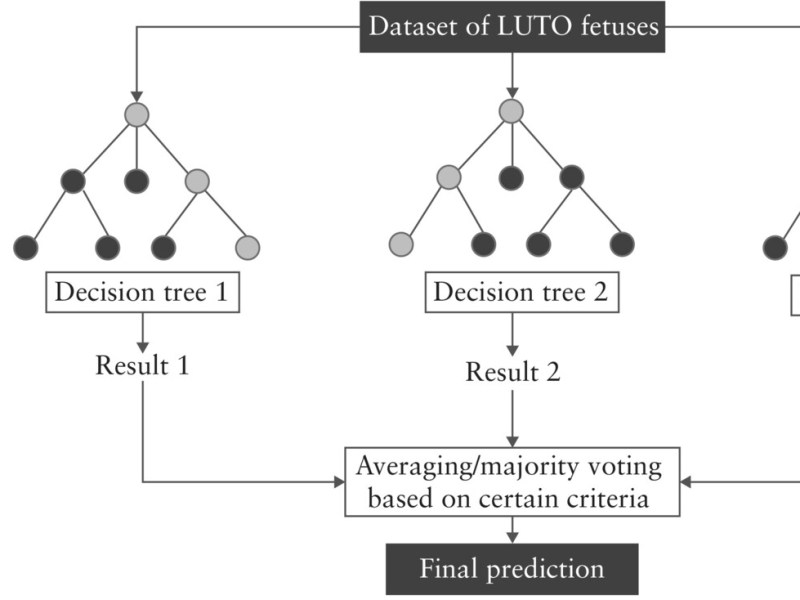
Postnatal outcomes from prenatal ultrasound in LUTO Article DOI https://doi.org/10.1002/uog.29129 Objective To predict postnatal outcome in fetuses with lower urinary tract obstruction (LUTO) using prenatal ultrasound findings AI Approach Random forrest Data Source(s) Single institutional series (125 patients) Model Input Gestational age (GA) at initial visit, indication for referral, fetal sex, suspected prenatal diagnosis and…
Read More
Shirazi et al. (2024)
Residual valve after ablation in PUV Article DOI https://doi.org/10.4081/aiua.2024.12530 Objective To estimate the residual valve rate after endoscopic valve ablation AI Approach ANN Data Source(s) Two-centre institutional series (144 patients) Model Input 24 post-operative and preoperative clinical variables (incl. age at surgery, hyperechogenicity of the renal parenchyma, presence of VUR, and grade of reflux before…
Read More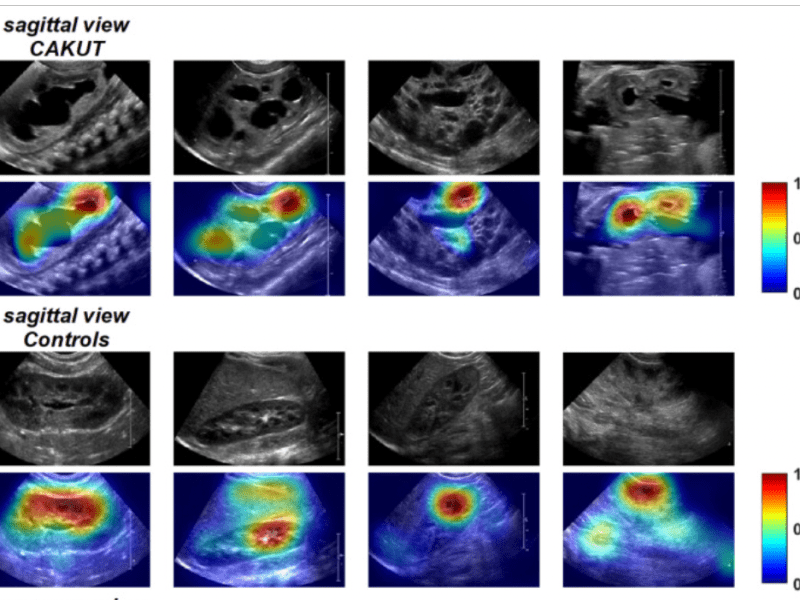
Yin et al. (2020)
PUV Article DOI https://doi.org/10.1016/j.urology.2020.05.019 Objective To diagnose children with PUV AI Approach CNN with transfer learning Data Source(s) Institutional series (157 children: 3504sagittal ultrasounds, 2558 transverse ultrasounds) Model Input Sagittal and/or transverse features of renal ultrasounds Model Outcome PUV Model Metrics AUROC = 0.96, accuracy = 93% Model Usability https://github.com/YS181818/CAKUT_diagnosis/tree/master AI = Artificial intelligence, AUROC…
Read More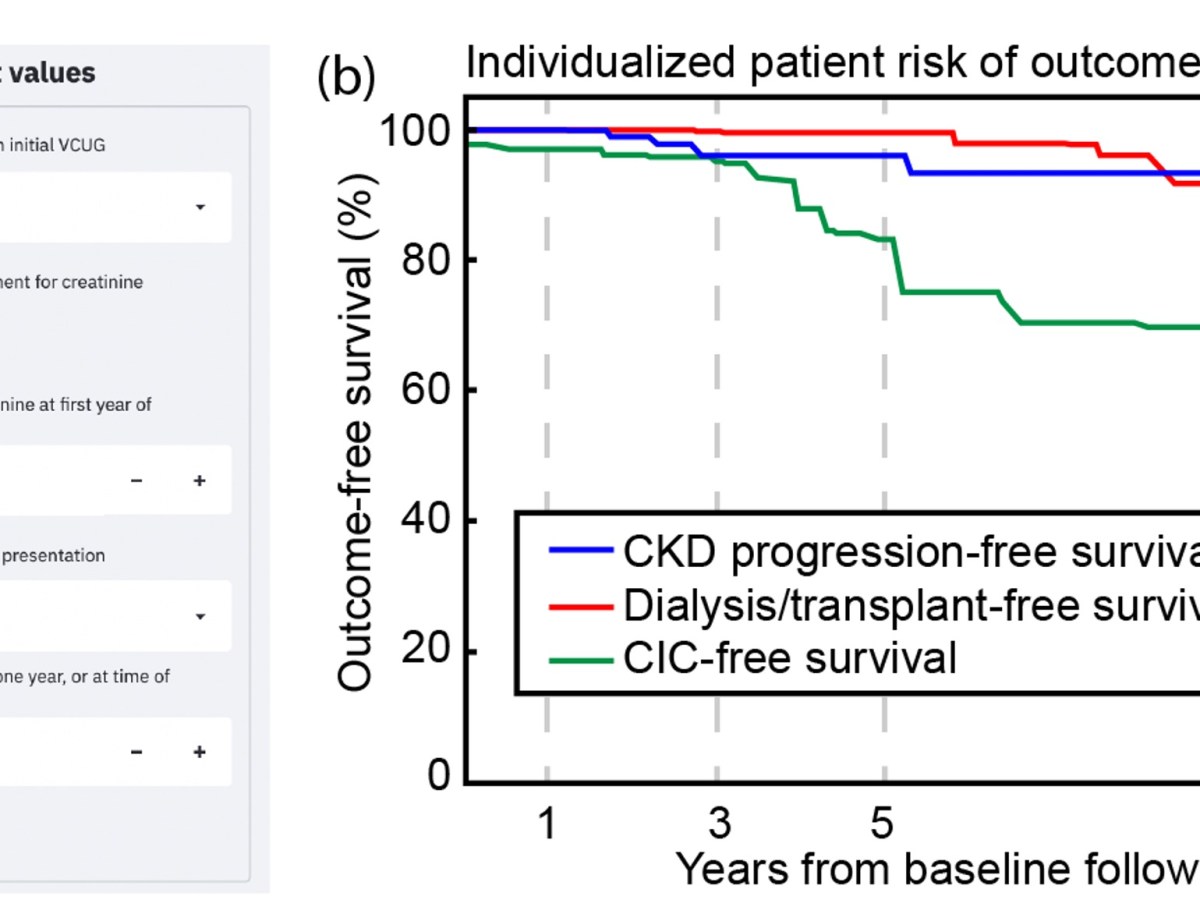
Kwong et al. (2021) – PUVOP
PUV Article DOI https://doi.org/10.1007/s00467-021-05321-3 Objective To predict risk of CKD progression, need forrenal replacement therapy (RRT), and clean-intermittent catheterization (CIC) AI Approach Random survival forest Data Source(s) Institutional series (103 patients),one external institutional series (22 patients) Model Input Nadir Creatinine, one-year eGFR, VUR grade on VCUG, and ultrasound findings of renal dysplasia Model Outcome CKD…
Read More
Abdovic et al. (2019)
PUV Article DOI https://doi.org/10.1007/s00345-018-2588-9 Objective To predict late presenting PUV in boys with urinary symptoms AI Approach ANN Data Source(s) Institutional series (201 patients) Model Input Age, max flow-rate, time to peak flow, volume, voiding time, flow time, average flow rate Model Outcome Late presenting PUV Model Metrics AUROC = 0.98, accuracy 93% Model Usability…
Read More AIPEDURO