
Hydronephrosis
The following models are related to pediatric hydronephrosis, pyeloplasty, and related models.
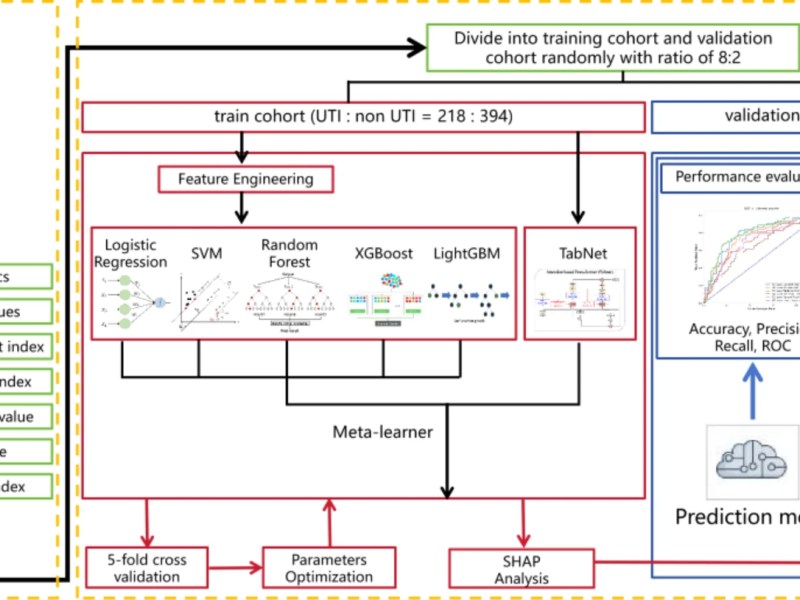
Wang et al. (2025)
Infections after pyeloplasty Article DOI https://dx.doi.org/10.1038/s41598-024-82282-1 Objective To enhance predictive accuracy for urinary tract infections post-pediatric pyeloplasty AI Approach Logistic Regression, SVM, Random Forest, XGBoost, LightGBM and deep learning TabNet model Data Source(s) Single institutional series (764 patients) Model Input 25 clinical features including patient demographics, medical history, surgical details, and various postoperative indicators Model…
Read More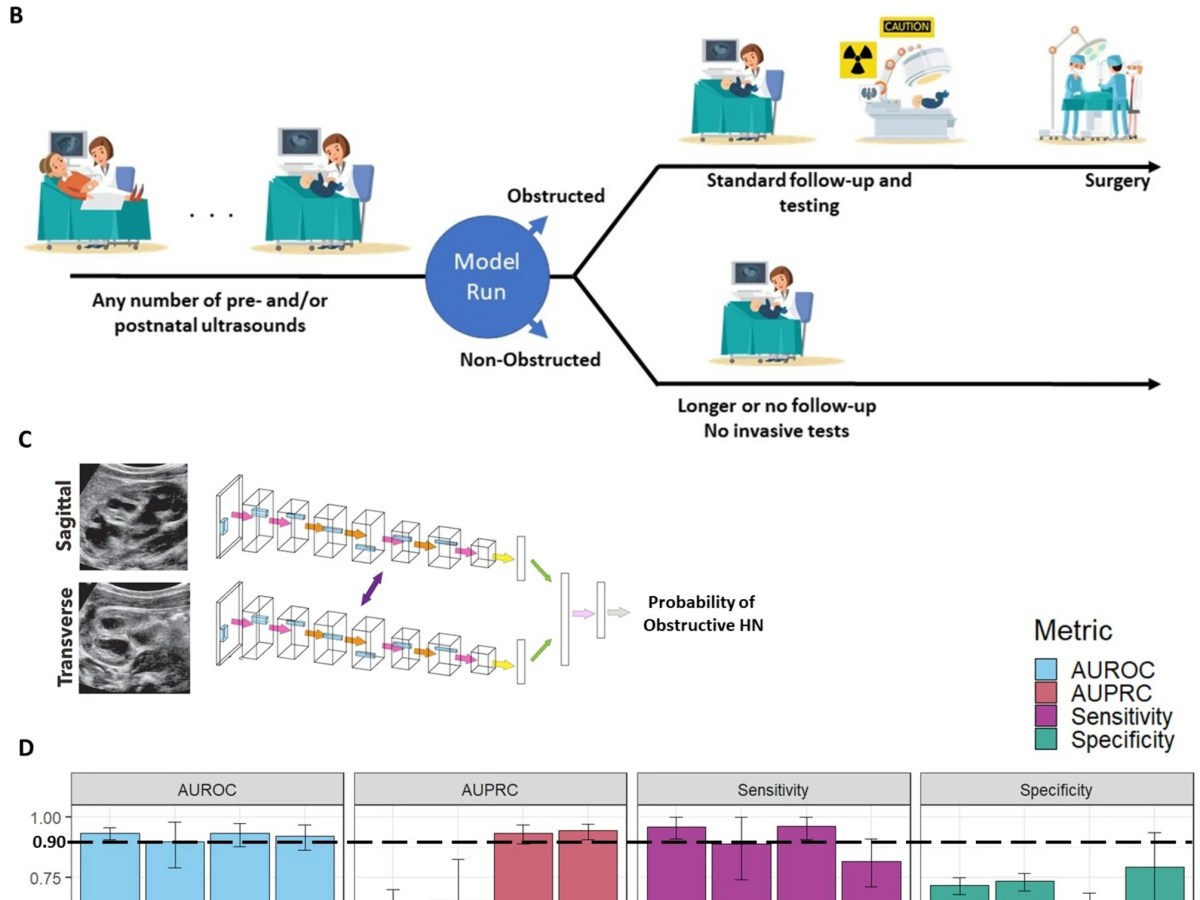
Erdman et al. (2024)
Need for surgery in UPJO Article DOI https://doi.org/10.1038/s41598-024-72271-9 Objective To predict obstructive hydronephrosis requiring surgery from renal US in children with prenatal hydronephrosis AI Approach CNN Data Source(s) Multi-institutional series (294 patients, 1645 US images) Model Input 256 x 256 pixel images of renal US Model Outcome Requiring surgery Model Metrics AUC of 0.93, accuracy…
Read More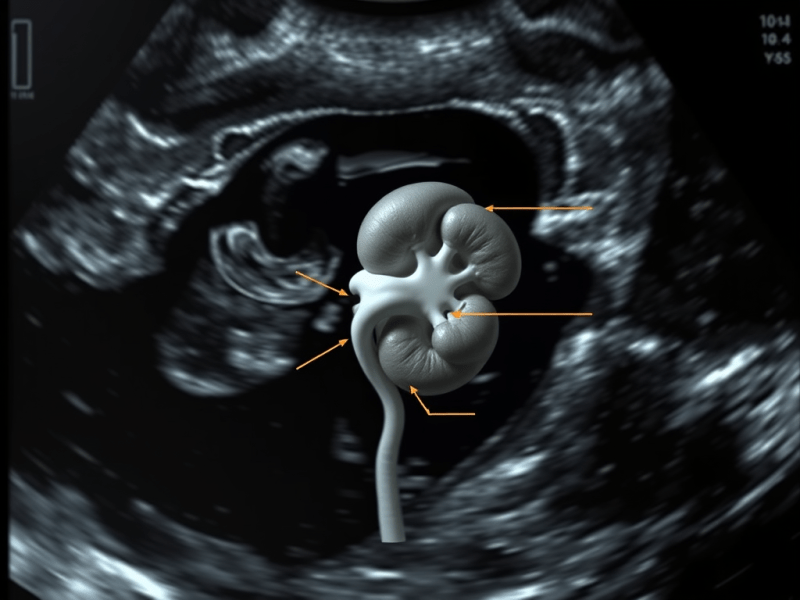
Mahmud et al. (2024)
Grading prenatal hydronephrosis severity Article DOI https://doi.org/10.1016/j.eswa.2024.124594 Objective To automate the grading of prenatal hydronephrosis severity from kidney ultrasounds AI Approach CNN Data Source(s) Single institutional series (163 patients, 2062 images) Model Input Renal ultrasound images (512×512) Model Outcome Severity classification Model Metrics Accuracy 94%, precision 94%, recall 94%, specificity 89%, F1 0.94 Model Usability…
Read More
Zhang et al. (2025)
Complications after surgery in UPJO Article DOI https://doi.org/10.1007/s00345-025-05552-1 Objective To predict complications after laparoscopic surgery for UPJO AI Approach LR, KNN, SVM, Decision Tree, RF, XGBoost, CNN Data Source(s) Single institutional series (526 patients) Model Input Pre-operative UTI, calculus, renal cortical thickness, collecting system, time of removal of DJ, removal of drainage, white blood cell…
Read More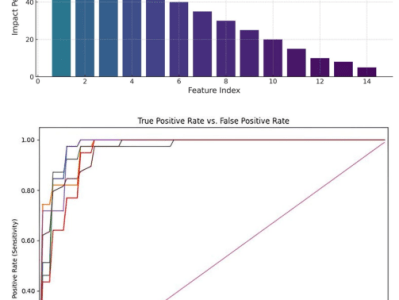
Alici et al. (2025)
Need for surgery in UPJO Article DOI https://doi.org/10.1007/s11845-025-03895-7 Objective To predict the need for surgery in patients with hydronephrosis resulting from UPJO AI Approach XGBClassifier, logistic regression, random forest, LGM classifier with Re, extra trees, AVG blender Data Source(s) Single center institutional series (323 patients) Model Input Presence of obstruction on DTPA/MAG3 scintigraphy, kidney size…
Read More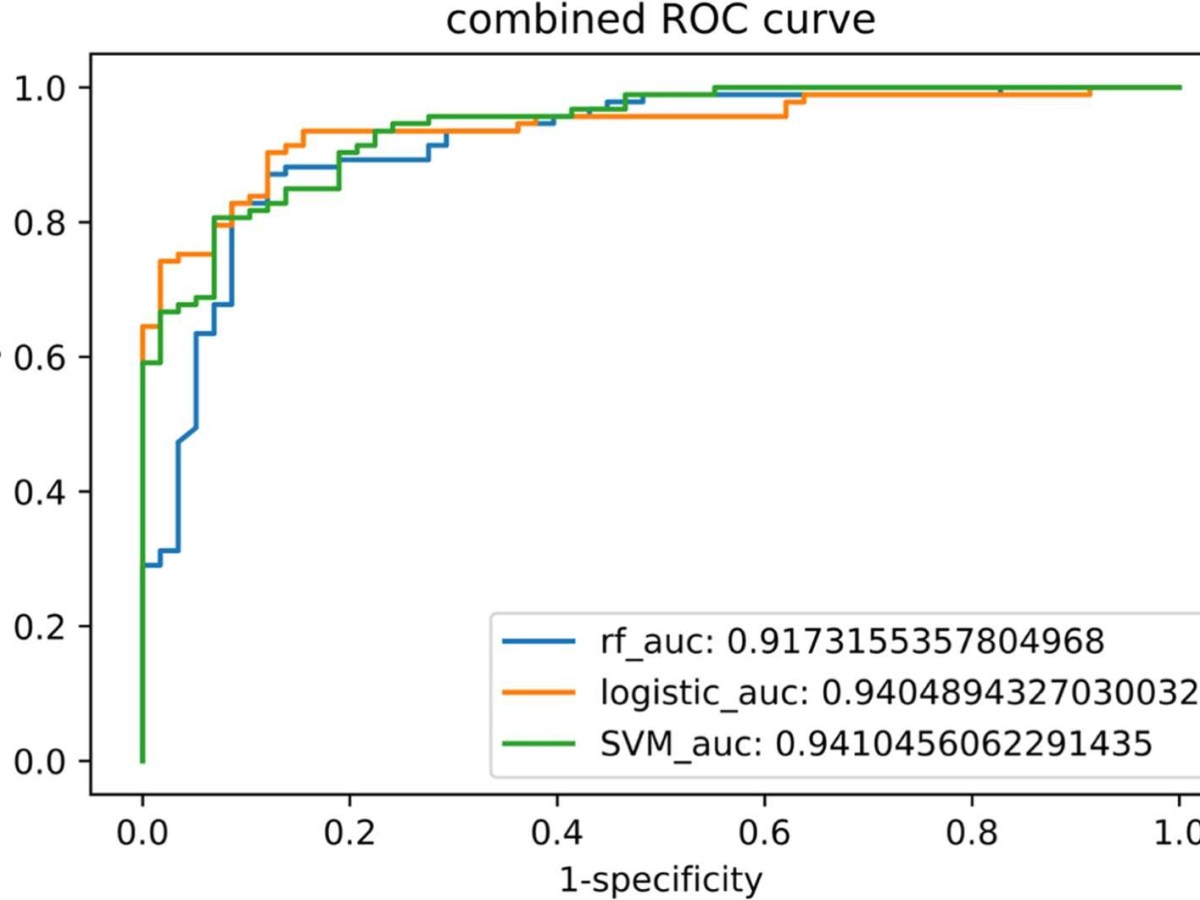
Huang et al. (2025)
Split renal function in hydronephrosis Article DOI https://doi.org/10.1016/j.urology.2025.04.009 Objective To predict differential renal function <40% in unilateral hydronephrosis using urinary tract ultrasound AI Approach Random forest, logistic regression, SVM Data Source(s) Single institutional series (802 patients) Model Input Gender, side, age, renal pelvis anterior-posterior diameter (APD), upper calyx dilation, renal length ratio Model Outcome Decreased…
Read More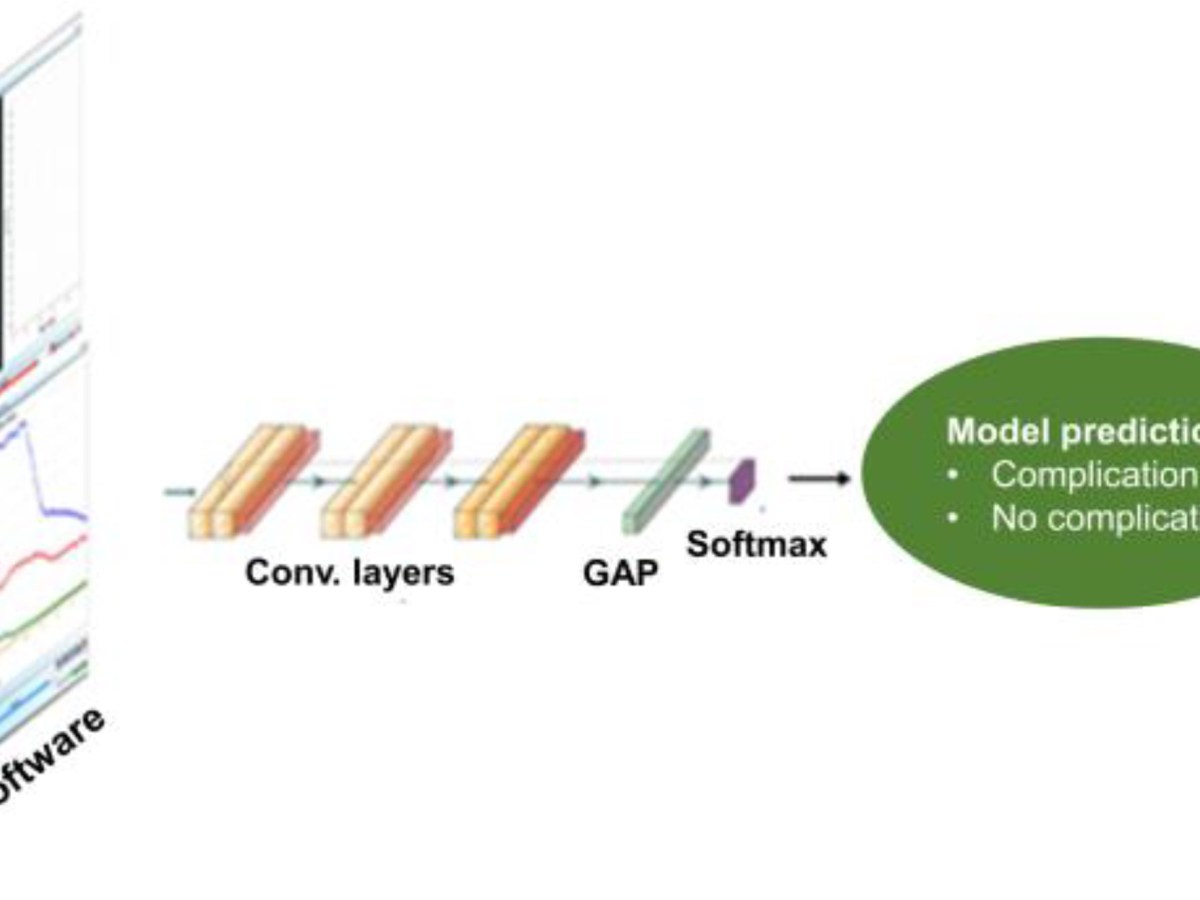
Weaver et al. (2023)
Drainage in ureteropelvic junction obstruction, Hydronephrosis. Article DOI https://doi.org/10.1016/j.jpurol.2022.12.017 Objective To analyze MAG3 renal scans using machine learning to predict renal complications in prenatal hydronephrosis AI Approach 2 model approaches:1. CNN2. Random forrest (RF) Data Source(s) Single institutional series (152 patients) Model Input CNN: Radiotracer concentration on MAG3 study images, over timeRF: Age, sex, race,…
Read More
Tsai et al. (2022)
Abnormal versus normal kidney, Hydronephrosis. Article DOI https://doi.org/10.2196/40878 Objective To evaluate the diagnostic performance of deep learning techniques in classifying kidney images as normal or abnormal AI Approach CNN with transfer learning Data Source(s) Single institutional series (1599 images) Model Input Renal US images (224×224 pixels) Model Outcome Abnormal vs. normal Model Metrics Accuracy: 93%AUC:…
Read More
Tabrizi et al. (2021)
Drainage in ureteropelvic junction obstruction, Hydronephrosis. Article DOI https://doi.org/10.1109/ISBI48211.2021.9434129 Objective To predict severe ureteropelvic junction obstruction from renal US images AI Approach CNN Data Source(s) Single institutional series (54 US images) Model Input Renal US, coronal image Model Outcome T 1/2 > 20 minutes Model Metrics Accuracy: 78%Sensitivity 62%Specificity 83% Model Usability NA AI =…
Read More
Seckiner et al. (2011)
Surgery in ureteropelvic junction obstruction, Hydronephrosis. Article DOI https://doi.org/10.5489/cuaj.10043 Objective To predict management (observation vs. surgery) for UPJO AI Approach ANN Data Source(s) Single institutional series (53 patients) Model Input Age, sex, renal pelvic diameter, laterality, split renal function on radionuclide scan, presence of renal scar on DMSA scan, urine culture results, presence of symptomatic…
Read More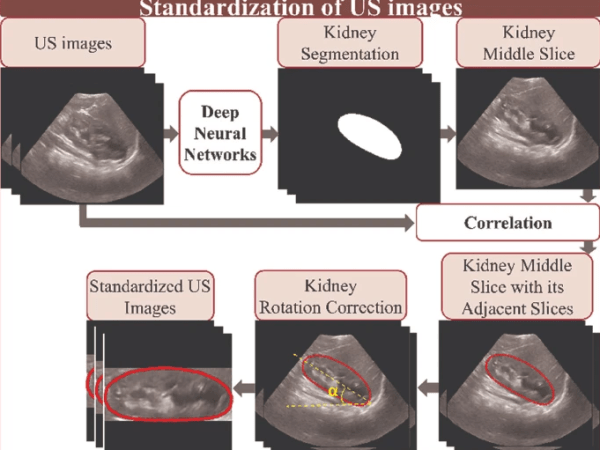
Roshanitabrizi et al. (2021)
Hydronephrosis severity, Hydronephrosis. Article DOI https://doi.org/10.1007/978-3-030-87589-3_38 Objective To automate the assessment of obstruction severity in pediatric hydronephrosis AI Approach CNN Data Source(s) Single institutional series (49 patients) Model Input 128×128 pixel renal US images Model Outcome Obstruction severity (severe vs. non-severe) Model Metrics Accuracy: 83% Model Usability NA AI = Artificial intelligence, SFU = Society…
Read MoreSomething went wrong. Please refresh the page and/or try again.
 AIPEDURO